What Actually Affects Male Testosterone Levels, Beyond Any Single Supplement
Sleep quality, resistance training, body composition and stress management all measurably affect testosterone levels — often more than any single supplement can.
Understanding the fuller picture helps set realistic expectations for what nutritional support can and cannot do on its own.
Sleep quality and duration
Testosterone production is closely tied to sleep, with most daily release occurring during deep sleep cycles. Studies show men who sleep 5 hours or less per night can see meaningfully lower testosterone than those getting 7 to 8 hours.
Resistance training
Compound lifts like squats and deadlifts are consistently associated with acute and, over time, baseline testosterone support, more reliably than most other exercise types.
Body composition
Excess body fat, particularly visceral fat, is associated with increased conversion of testosterone to estrogen. Reducing excess body fat is one of the more reliable levers for supporting healthy testosterone levels.
Chronic stress management
Sustained high cortisol from chronic stress directly competes with testosterone production pathways. This is part of why adaptogens like Ashwagandha, discussed in our piece on Ashwagandha and cortisol, draw research interest in this category.
Alcohol intake
Regular, heavier alcohol consumption is associated with reduced testosterone production, an often underappreciated factor.
Where nutritional support realistically fits
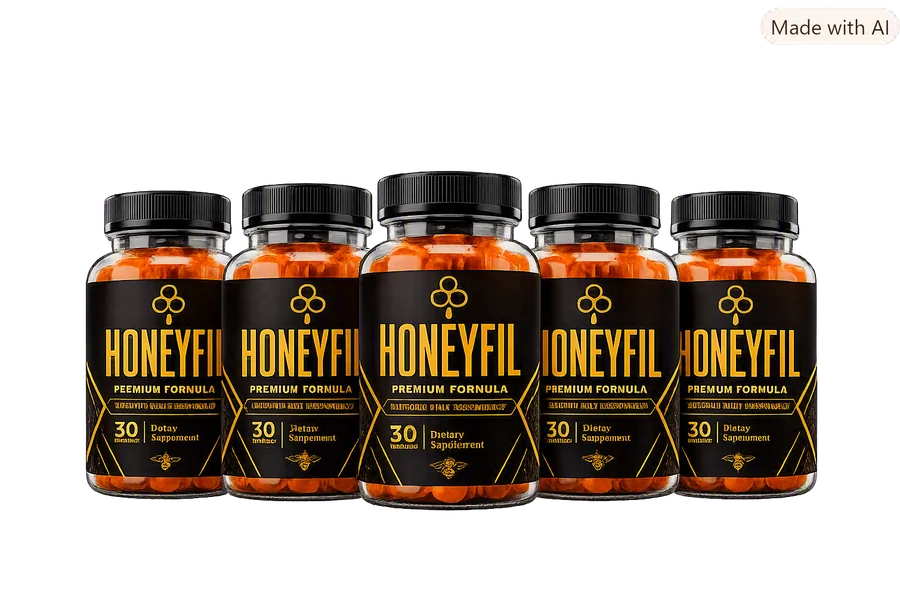
Applying this to HoneyFil
Formulas like HoneyFil are designed to supply nutrients relevant to these pathways, genuinely useful additions layered on top of the habits above, not a shortcut around them. If sleep, training or body composition are the actual bottleneck, no supplement, this one included, will fully offset that on its own.