Ashwagandha And Cortisol: What The Research Actually Shows
Ashwagandha, an adaptogenic root used in Ayurvedic tradition for centuries, is one of the more heavily researched botanicals in the modern vitality-support category.
Understanding what the clinical research actually shows, and where it falls short, helps set realistic expectations.
Why cortisol matters here
Cortisol is the body's primary stress hormone. Chronically elevated cortisol is associated with disrupted sleep, reduced energy, and can interfere with normal testosterone production over time. This is why adaptogens that help regulate cortisol are frequently included in male vitality formulas.
What controlled studies have found
Where the evidence has limits
Most trials are relatively small, ranging from 50 to 100 participants, and results vary by extract standardization, dose, and study population. Effects on testosterone specifically are less consistent across studies than the cortisol findings.
What the evidence does not support
Ashwagandha is not a treatment for diagnosed low testosterone, clinical anxiety, or any medical condition, and should not replace medical care if you have symptoms of any of these.
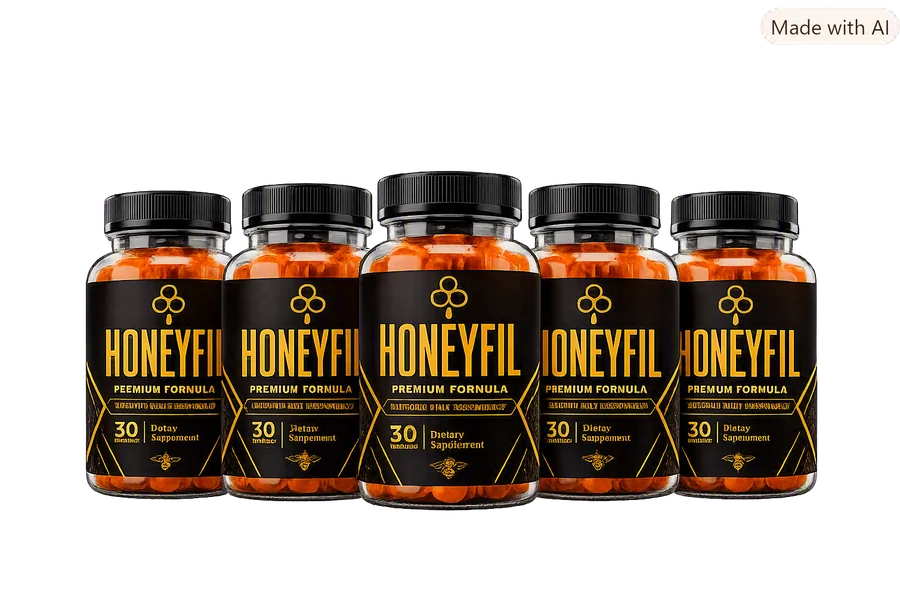
Applying this to HoneyFil
KSM-66® Ashwagandha is one of the eight named ingredients in HoneyFil's formula, included for its comparatively well-documented cortisol-related research. Given the genuinely encouraging but still limited evidence base, it's reasonable to view this as a potentially useful complementary ingredient, not a guaranteed outcome.